
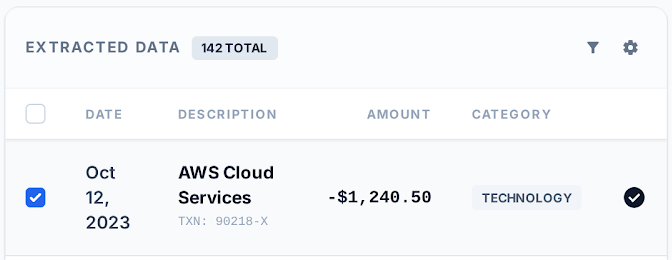
Intelligent Transaction Categorization
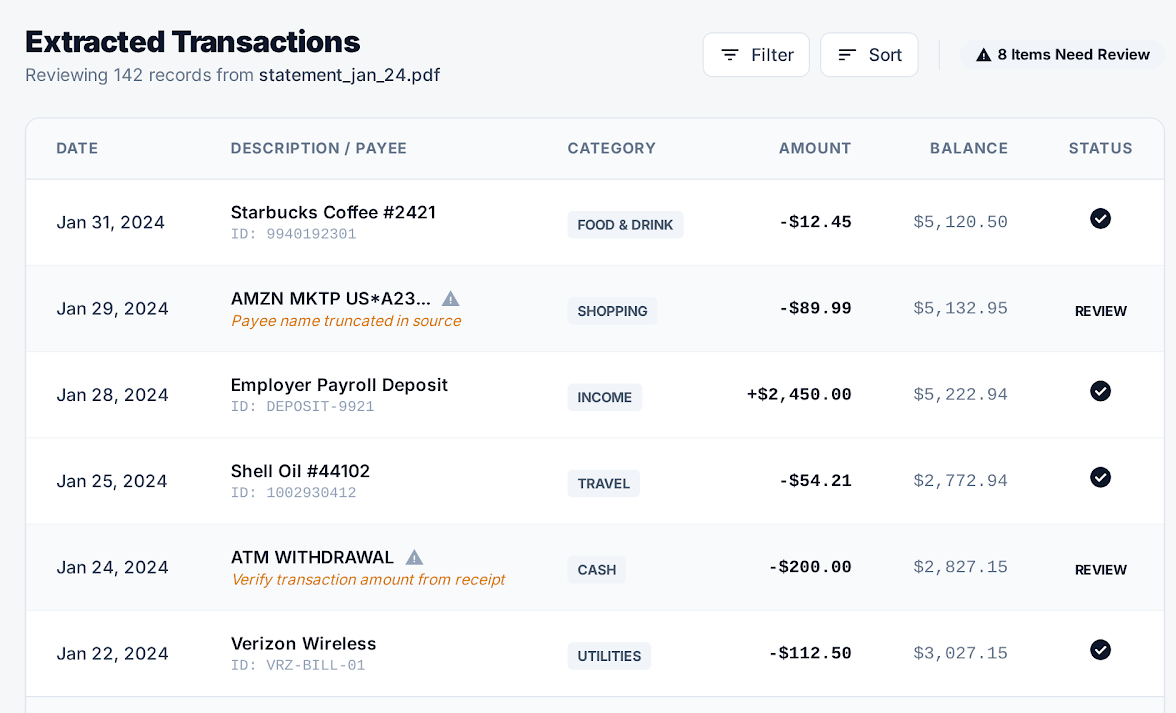
Automatically classifies transactions into standardized buckets for consistent analysis across varying bank formats.
The Credstack Bank Statement Analyzer is software that automates statement validation, data extraction, transaction intelligence, and credit risk analysis for faster and more consistent underwriting decisions.
Request a Demo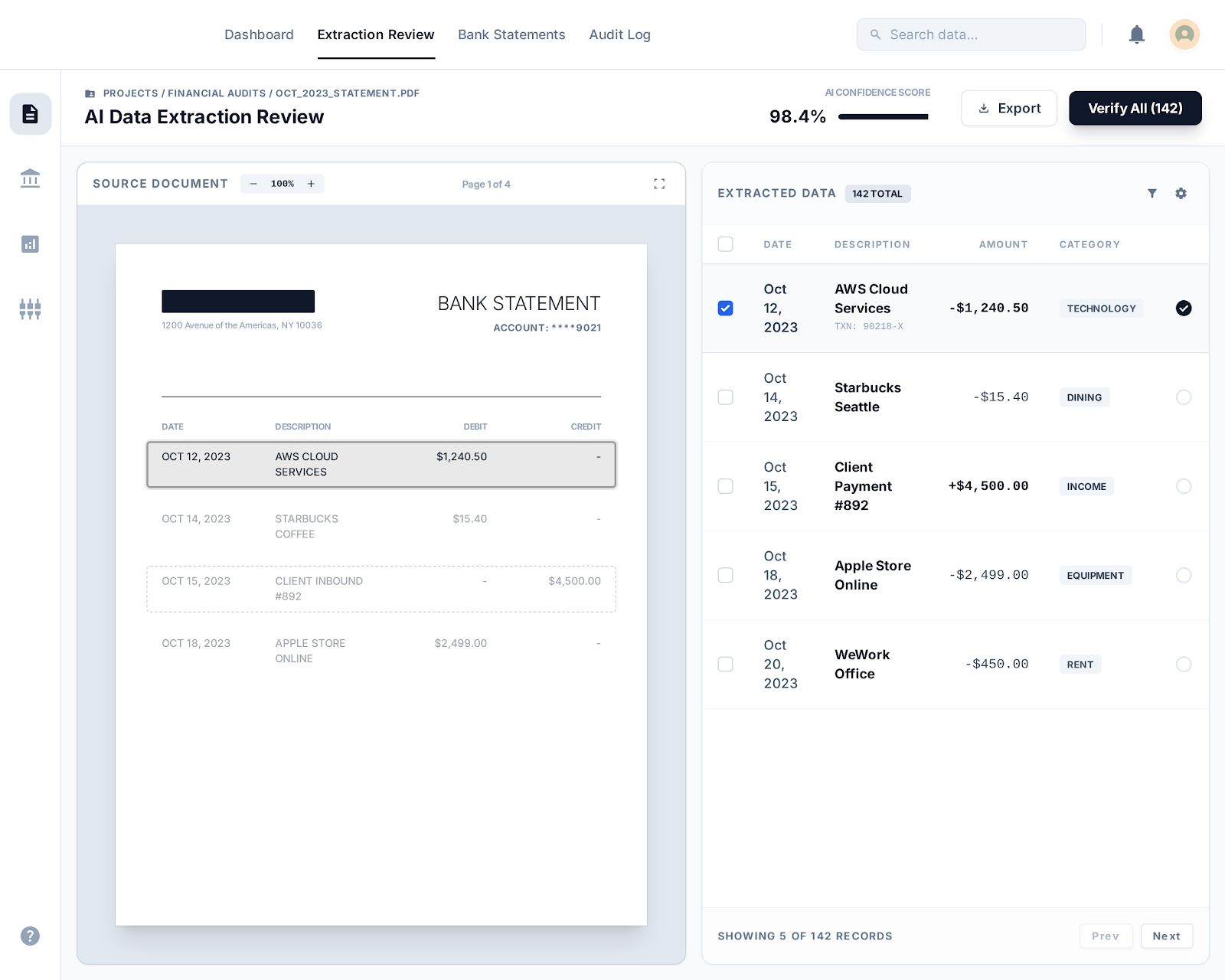
Intelligent Transaction Categorization
Automatically classifies transactions into standardized buckets for consistent analysis across varying bank formats.
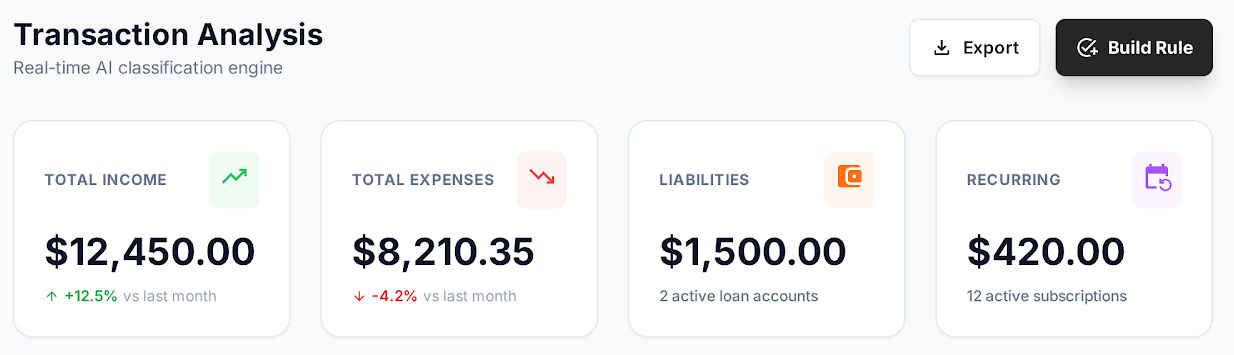
Cashflow and Income Intelligence
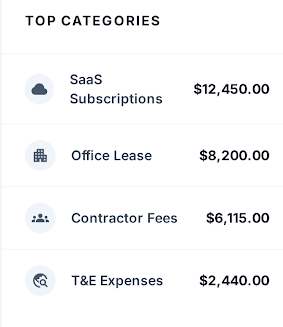
Highlights income stability, spending trends, and liquidity movement with lender-friendly risk context.
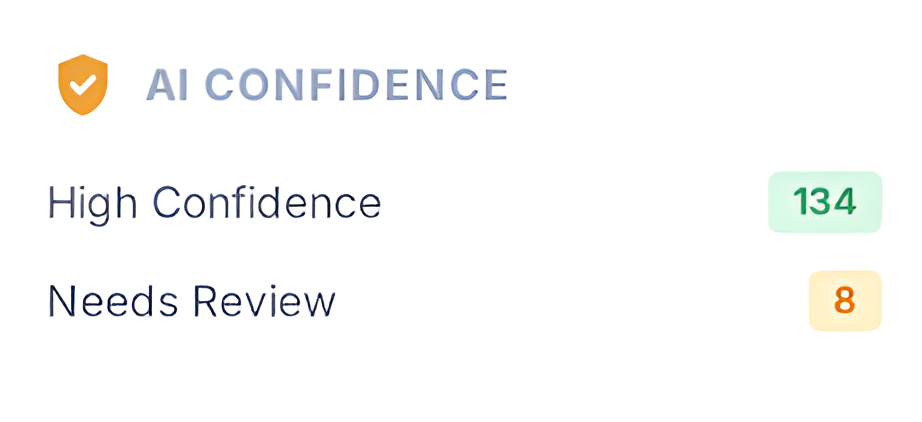
Automated Risk Signals
Surfaces irregular behavior, abnormal spending, and financial stress indicators in a structured format.
Multi-Statement and Cross-Transfer Detection
Processes multiple statements per application and detects cross-account patterns linked to fraud risk.

API-First Integration
Embeds into LOS, underwriting pipelines, and lending platforms through secure APIs.
Custom Intelligence Models
Supports lender-specific underwriting logic, risk policies, and decision frameworks at scale.
Manual statement review is slow
Analysts spend time normalizing PDF statements and identifying patterns manually, increasing turnaround time and operational cost.
Risk signals are inconsistent
Without structured classification, important indicators like irregular cashflow and abnormal spending may be missed or interpreted differently by teams.
Fraud checks are fragmented
Single-statement analysis and weak cross-account visibility make it difficult to catch circular transfers and manipulated activity early.
Statement Ingestion
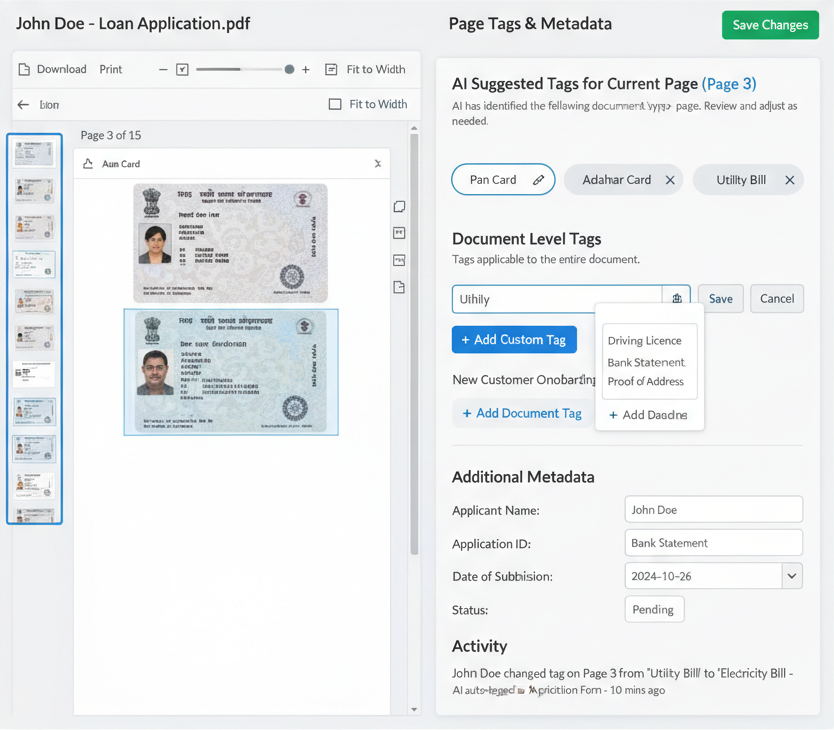
Upload PDF bank statements or connect directly through secure banking APIs.
Data Extraction
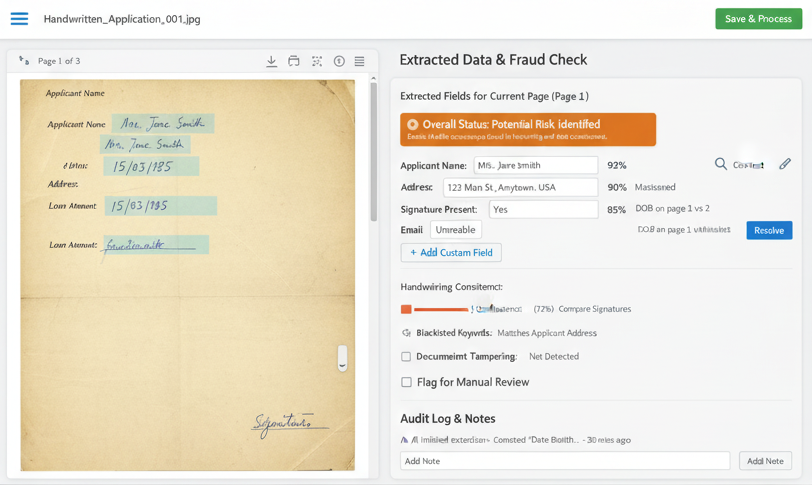
AI-powered parsing extracts dates, amounts, balances, and transaction narratives into structured datasets.
Transaction Classification
Machine learning models classify entries into income, expenses, liabilities, and recurring payment categories.
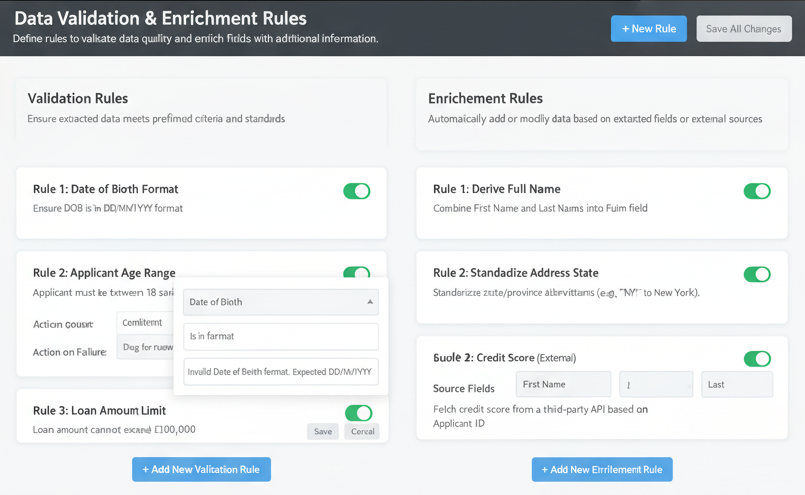
Cashflow Analysis
The engine evaluates income stability, spending patterns, and liquidity behavior over time.
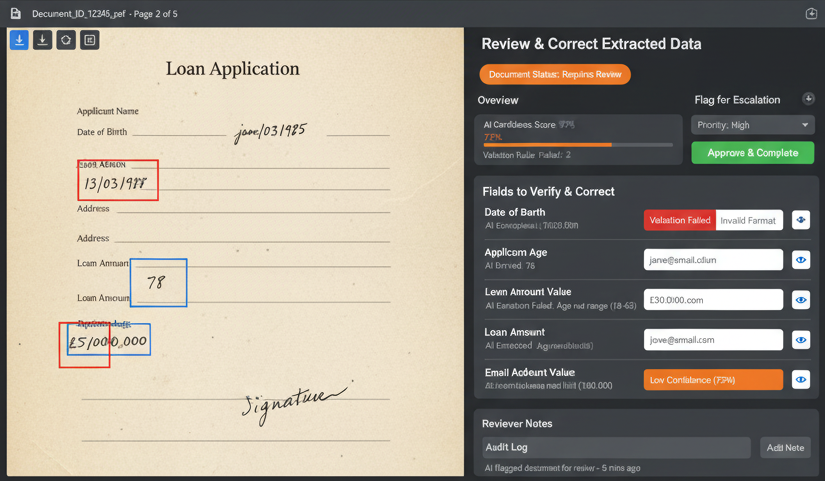
Risk Scoring
Structured risk indicators are generated to support automated underwriting and decision review workflows.
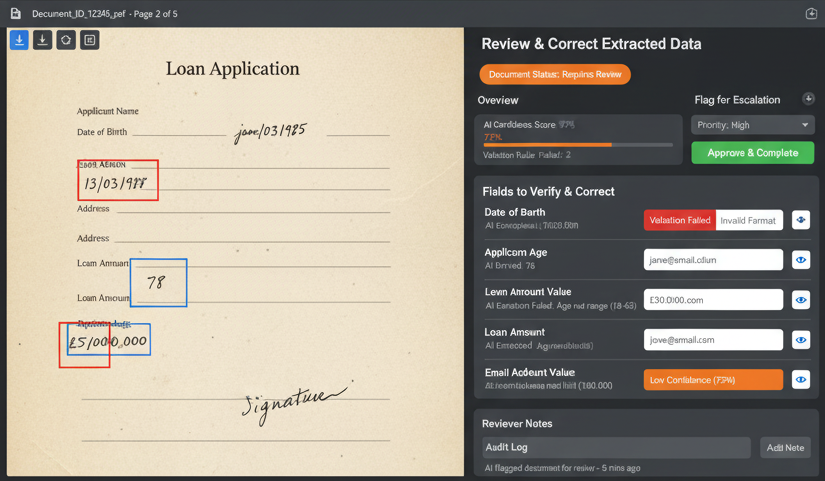
SME Lending Underwriting
Evaluate business cashflow consistency and transaction behavior for better SME credit decisions.
Personal Loan Approval
Assess salary reliability, spending discipline, and liabilities to speed up loan approval decisions.
BNPL Risk Analysis
Analyze short-term financial behavior for real-time consumer risk assessment in BNPL flows.
Fraud Detection
Detect anomalies, suspicious transfers, and potentially manipulated statement activity early.
Book a guided walkthrough to evaluate extraction accuracy, risk signals, and API integration for your lending workflow.